
 Dansk
Dansk Norsk
Norsk Svenska
 Deutsch
UV Disinfection

UV filter for water disinfection: Ensuring pure water for your operations
At Nordic Filtration, we understand that clean, safe water is paramount for industrial and commercial operations. While many filtration methods exist, the use of a UV filter for water disinfection stands out as an exceptionally effective, chemical-free solution.
This guide will explain why integrating a UV system is a smart decision for your business, detailing how UV light purifies water and the significant benefits it offers.


Why choose a UV filter for water disinfection?
The need for reliable water treatment in industries like food and beverage, pharmaceuticals, and manufacturing cannot be overstated. Contaminated water can lead to product recalls, equipment damage, and serious health risks. A UV filter provides a robust barrier against a wide range of microorganisms, ensuring your water supply meets stringent quality standards without altering its chemical composition.
Chemical-free disinfection with UV technology
Unlike chemical disinfection methods such as chlorination, a UV filter sterilizes water without introducing any additional substances. This means no harmful byproducts, no changes to water taste or odor, and no risk of chemical residue in your final product. For industries where purity is critical, such as those relying on our water treatment systems and reverse osmosis units, this is a significant advantage.
Effectiveness against a broad spectrum of pathogens
A UV filter is incredibly effective at inactivating bacteria, viruses, and protozoa, including those resistant to chlorine, such as Cryptosporidium and Giardia. The UV light attacks the DNA of these microorganisms, preventing them from reproducing and rendering them harmless. This comprehensive approach makes UV systems a cornerstone of modern water purification strategies.
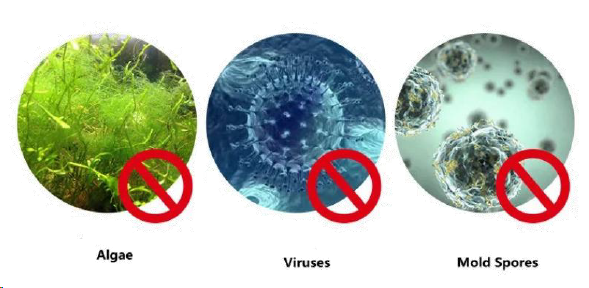
How does a UV filter purify water?
The science behind a UV filter is elegant and powerful. Ultraviolet (UV) light is a form of electromagnetic radiation with shorter wavelengths than visible light. Specifically, germicidal UV-C light, typically at a wavelength of 254 nanometers, is used in water treatment. When water passes through a UV disinfection chamber, it is exposed to this high-intensity UV-C light.
This process is instantaneous and requires no contact time, unlike chemical treatments. The water is simply exposed to the UV lamp as it flows through the system.
Integrating a UV filter with existing filtration solutions
A UV filter is often part of a multi-stage water treatment process. It works best when combined with other filtration technologies, providing a complete solution for water purification. For example, pre-filtration with sediment filters or carbon filters can remove larger particles and organic compounds that might interfere with UV effectiveness. This layered approach ensures that the UV light can operate at its peak efficiency, delivering consistent disinfection.
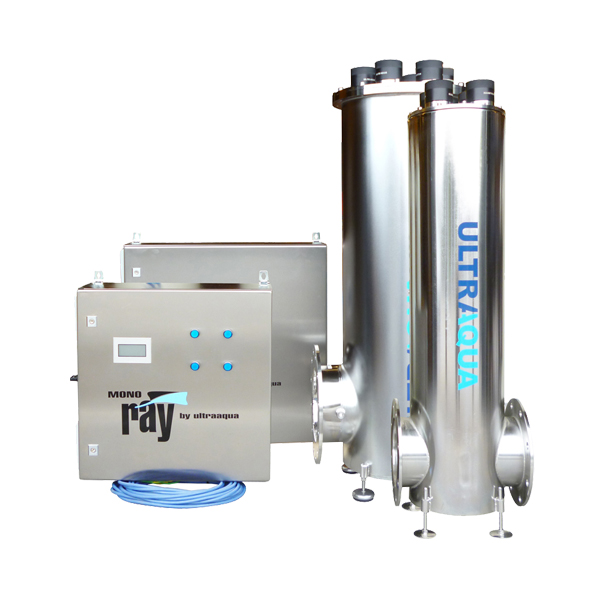
Components of a typical UV water treatment system
A standard UV system can consists of a few key components - depending on the model:
-
UV Lamp: The heart of the system, emitting germicidal UV-C light. These lamps are typically low-pressure mercury vapor lamps.
-
Quartz Sleeve: A protective quartz glass tube that houses the UV lamp. It protects the lamp from water while allowing UV light to pass through efficiently.
-
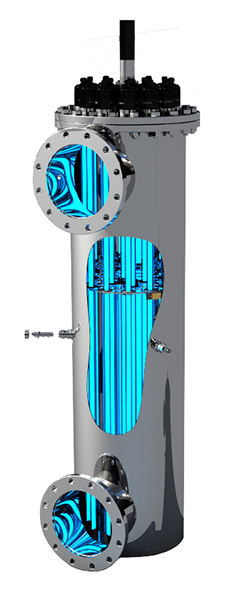
Stainless Steel Reactor Chamber: The housing that contains the quartz sleeve and lamp, ensuring water flows past the UV light source.
-
Controller Unit: Monitors the system, indicates lamp life, and provides alarms for maintenance or malfunction.
Regular maintenance, such as replacing UV lamps according to manufacturer recommendations (typically annually), is crucial to ensure the continued effectiveness of your UV filter. We can help you select the right components and establish a maintenance schedule for optimal performance.
Advantages of integrating a UV filter into your water treatment process
Beyond chemical-free operation and broad-spectrum effectiveness, a UV filter offers several other compelling benefits for businesses and industries.
Cost-effective operation and maintenance
Compared to other advanced disinfection methods, UV systems generally have lower operating costs. They consume electricity, and lamps need periodic replacement, but there are no ongoing costs for chemicals, storage, or hazardous waste disposal. This makes a UV filter an economically sound long-term investment for water purification.
Environmentally friendly solution
Since UV disinfection doesn't use chemicals, it doesn't contribute to chemical pollution or create harmful residuals that need to be managed. This aligns with our commitment at Nordic Filtration to provide durable, safe, and environmentally friendly solutions, helping our customers optimize production processes while maintaining high standards of hygiene and safety.
Immediate and continuous treatment
A UV filter provides immediate disinfection as water passes through the chamber. There's no need for retention tanks or long contact times. This allows for continuous flow treatment, making UV systems ideal for applications requiring high volumes of purified water on demand. Whether you need to treat water for process use or for industrial cooling, a UV system can handle the flow efficiently.


Applications for UV filter technology in industry
The versatility of UV filter systems makes them suitable for a wide range of industrial and commercial applications. At Nordic Filtration, we specialize in tailoring solutions to specific industry needs, including those requiring highly purified water.
Process water disinfection
Many industrial processes require water that is free from microorganisms to prevent contamination of products, maintain equipment integrity, and ensure process efficiency. This includes rinsing, ingredient preparation, and cooling water systems. A UV filter guarantees a microbiologically safe water supply, protecting your production line.
Drinking water and bottled water production
For operations involved in producing bottled water or providing potable water for staff, a UV filter is an essential final step to ensure safety. It provides an additional layer of protection against waterborne pathogens, complementing other water treatment systems like softening plants designed to reduce lime scale and remove impurities.
Wastewater treatment
Disinfecting treated wastewater before discharge is crucial for environmental compliance. UV systems offer an effective way to reduce pathogen levels in effluent, minimizing environmental impact without introducing harmful chemicals into natural ecosystems.
Pharmaceutical and laboratory applications
In environments where absolute sterility is critical, such as pharmaceutical manufacturing and laboratory settings, a UV filter is indispensable. It helps ensure that process water, ultrapure water, and feedwater for sensitive equipment are free from microbial contamination.
Choosing the right UV system for your needs
Selecting the appropriate UV system depends on several factors, including water quality, flow rate, and specific application requirements. Our team at Nordic Filtration has extensive experience in assessing these needs and recommending the most effective solutions.
We consider factors such as:
-
Water Clarity: Pre-filtration is often necessary to remove suspended solids that could shield microorganisms from UV light or foul the quartz sleeve. We offer a variety of liquid filters, including mechanical and activated carbon filters, to ensure optimal water clarity before UV treatment.
-
Flow Rate: The size and number of UV lamps are determined by the maximum flow rate your system needs to handle.
-
UV Dose: The required UV dose (measured in mJ/cm²) depends on the target microorganisms and desired level of disinfection. We ensure our UV filter solutions deliver the necessary dose for your specific application.
Our commitment is to help you select the right equipment based on your specific requirements, providing solutions that optimize production processes, improve product quality, and maintain high standards of hygiene and safety.
FAQ about UV filters
What is a UV filter, and how does it work for water disinfection?
A UV filter is a device that uses ultraviolet (UV) light, specifically UV-C radiation, to disinfect water. As water passes through the filter chamber, it is exposed to this germicidal UV light, which attacks the DNA and RNA of microorganisms like bacteria, viruses, and protozoa. This renders them unable to reproduce and cause harm, effectively sterilizing the water without adding chemicals.
Why is a UV system a good idea for industrial water treatment?
A UV system is highly beneficial for industrial water treatment because it offers chemical-free disinfection, preventing the introduction of harmful byproducts or changes to water quality. It is effective against a broad range of pathogens, operates continuously, and has relatively low running costs. This ensures high-quality, safe water for processes, products, and personnel while being environmentally friendly.
What does UV light do to water during disinfection?
When water is disinfected by a UV filter, the UV-C light targets the genetic material (DNA/RNA) of microorganisms present in the water. The UV energy is absorbed by these nucleic acids, causing structural damage that prevents the microbes from replicating. This inactivation process effectively eliminates their ability to cause contamination or infection, making the water safe for use.
What are the main benefits of using a UV filter over chemical disinfectants?
The primary benefits of using a UV filter over chemical disinfectants include:
-
No added chemicals or harmful byproducts in the water.
-
No changes to water taste, odor, or pH.
-
Effective against chlorine-resistant microorganisms.
-
Environmentally friendly with no chemical waste.
-
Safe and easy to operate with immediate disinfection.
Do I need other filtration before using a UV filter?
Yes, pre-filtration is highly recommended before a UV filter. Sediment and other particles in the water can shield microorganisms from the UV light, reducing the system's effectiveness, or even foul the quartz sleeve. Combining a UV system with pre-filters like mechanical filters or activated carbon filters ensures optimal performance and extends the life of your UV lamp and sleeve. We offer a wide range of liquid filters to prepare your water for UV disinfection.
How often does a UV filter lamp need to be replaced?
UV lamps typically need to be replaced annually, regardless of whether they appear to be working. Over time, the UV-C output degrades, even if the lamp is still glowing, reducing its germicidal effectiveness. Regular lamp replacement, as part of routine maintenance, ensures your UV filter continues to provide reliable water disinfection.
Can a UV filter remove chemicals or heavy metals from water?
No, a UV filter is specifically designed for microbial disinfection. It does not remove chemicals, heavy metals, sediments, or other dissolved solids from water. For comprehensive water purification, a UV system should be integrated into a complete water treatment solution that includes processes like reverse osmosis, activated carbon filtration, or water softener systems, depending on the specific contaminants present.
